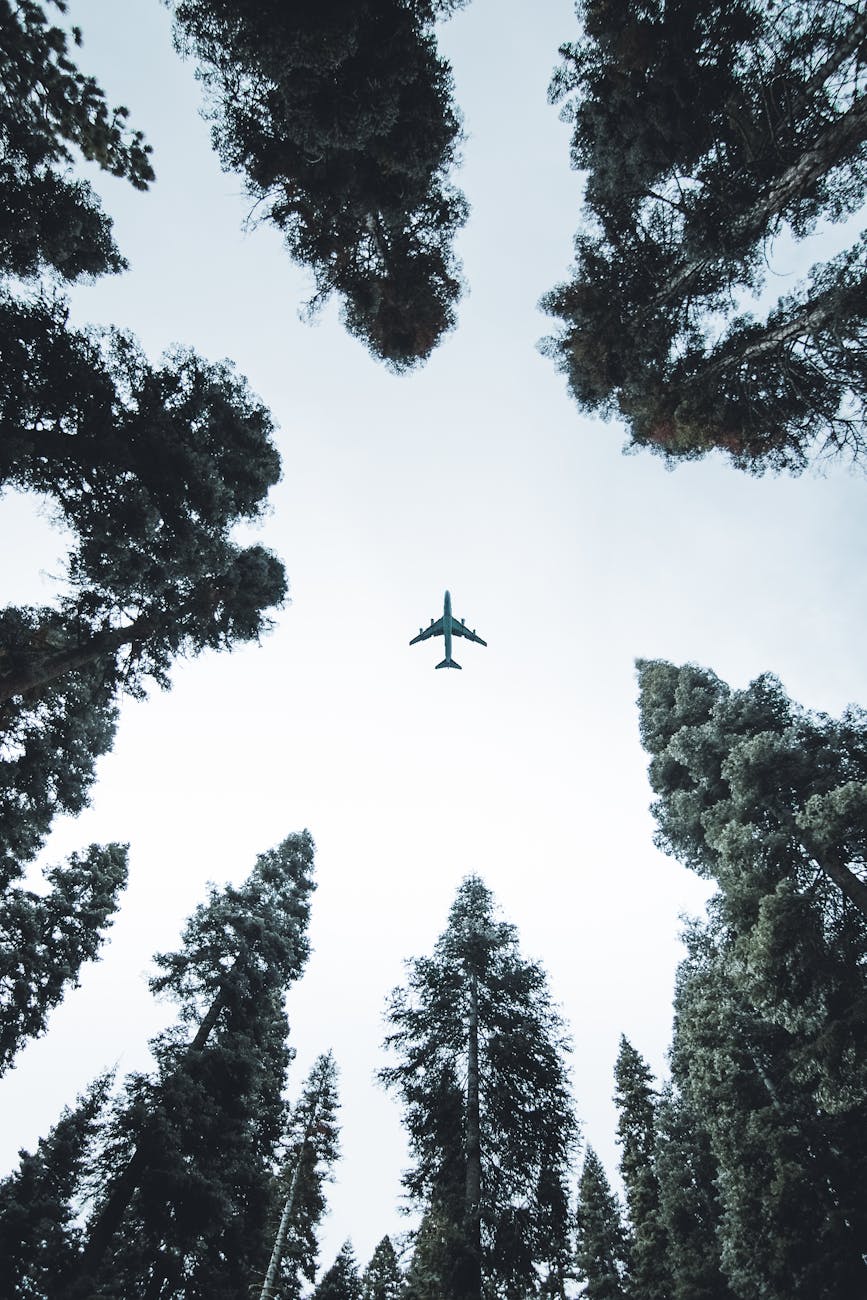
Have you ever looked at an airplane and wondered how hundreds of tons of metal can lift gracefully into the sky?
It almost seems like magic — but it’s not. It’s pure physics, perfectly balanced and beautifully engineered.
At its core, flight is all about managing four forces — lift, weight, thrust, and drag. Together, they work in harmony to keep an airplane in the air. In this article, we’ll break down how these forces interact, how wings generate lift, and why flight is one of the greatest achievements of mechanical and aerospace engineering.
The Four Forces of Flight
Every airplane in flight experiences four main forces:
- Lift – the upward force generated by the wings
- Weight – the downward pull of gravity
- Thrust – the forward force produced by the engines
- Drag – the air resistance that opposes motion
These forces must stay in balance for steady flight. When lift equals weight and thrust equals drag, the aircraft maintains level, stable flight.
If lift exceeds weight, the plane climbs.
If drag exceeds thrust, the plane slows down.
It’s this constant equilibrium — or purposeful imbalance — that allows pilots to take off, cruise, and land safely.
How Wings Generate Lift
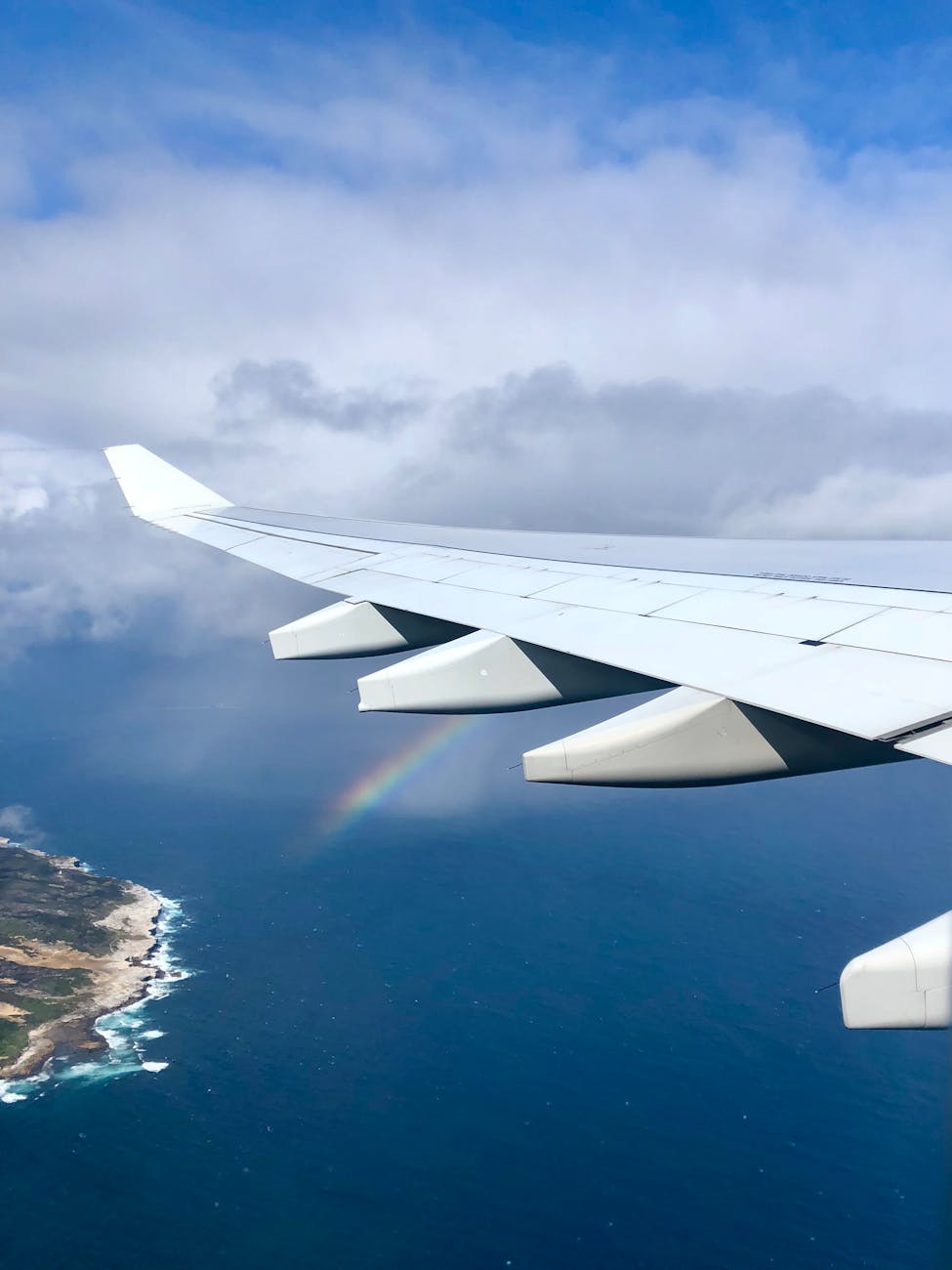
The real magic of flight happens at the wings. Their unique shape, called an airfoil, is designed to manipulate air pressure and airflow in just the right way.
Bernoulli’s Principle
According to Bernoulli’s principle, faster-moving air has lower pressure than slower-moving air.
Because the top of a wing is curved, air must travel a longer distance — and therefore move faster — over it.
The air beneath the wing moves slower, creating higher pressure underneath and lower pressure above.
This pressure difference produces an upward force — lift.
Angle of Attack
The angle of attack — the tilt of the wing relative to the oncoming air — also plays a crucial role.
When a wing is tilted upward, it deflects air downward. By Newton’s Third Law, the air pushes the wing upward with an equal and opposite force.
That’s why even a flat sheet of paper can glide when thrown at the right angle — it’s still redirecting air downward to generate lift.
Newton’s Third Law in Action
Newton’s Third Law states that for every action, there is an equal and opposite reaction.
An airplane wing pushes air down, and in return, the air pushes the wing up.
This principle is particularly visible during takeoff, when wings and flaps are adjusted to deflect more air downward, maximizing lift.
It’s this balance of pressure difference (Bernoulli) and air deflection (Newton) that makes flight possible — not one or the other alone.
The Role of Thrust and Drag
While lift gets an airplane off the ground, thrust keeps it moving forward.
Thrust is produced by jet engines or propellers, which accelerate air backward to push the aircraft forward.
However, as the plane moves through the air, it encounters drag — the aerodynamic resistance caused by air friction and turbulence.
To overcome drag, engineers carefully design streamlined fuselages, smooth surfaces, and wingtip shapes that minimize air resistance.
In modern aircraft, even the smallest improvement in aerodynamics can save millions in fuel costs.
Stability and Control
Flight isn’t just about going up — it’s also about staying balanced in three axes:
- Pitch (up and down movement)
- Roll (tilting side to side)
- Yaw (turning left or right)
To manage this, airplanes use control surfaces:
- Ailerons on the wings control roll
- Elevators on the tail control pitch
- Rudder on the vertical fin controls yaw
Together, they allow pilots to maneuver smoothly, keeping the aircraft stable even in turbulent air.
Real-World Engineering Applications
The principles of aerodynamics aren’t limited to airplanes.
The same physics that lift a jetliner also help engineers design:
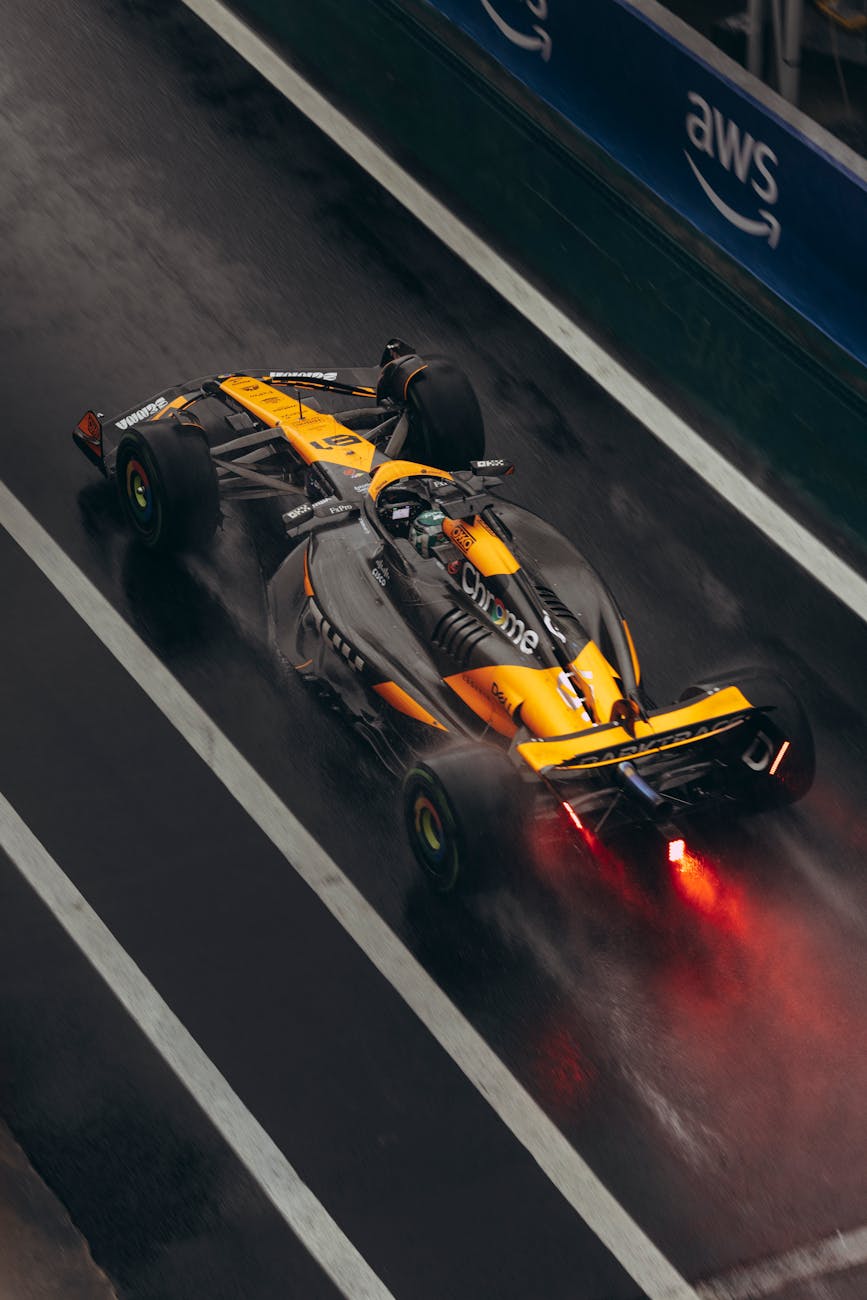
- Efficient cars with reduced drag
- Wind turbines that extract energy from airflow
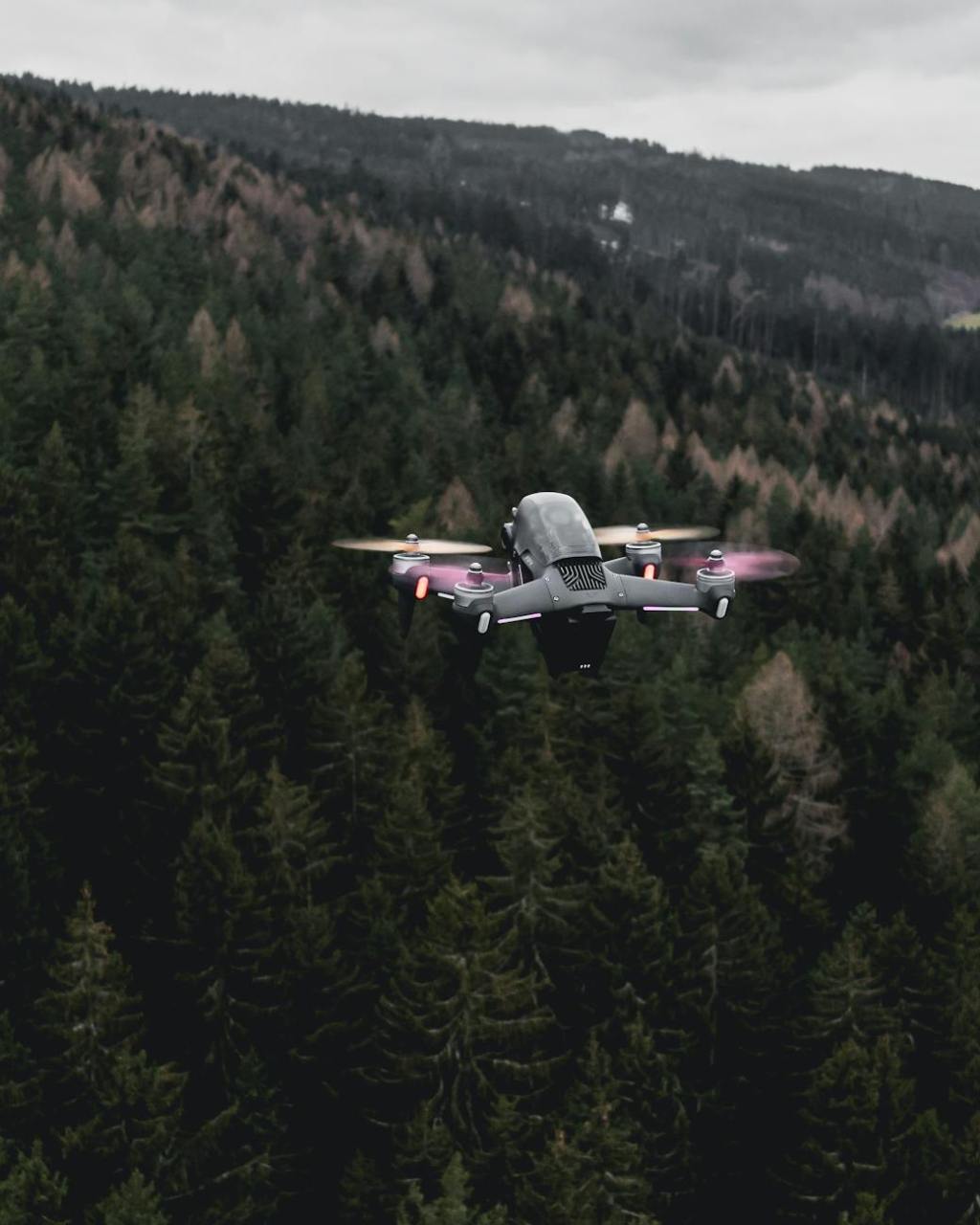
- Drones that maintain stability with small propellers
Understanding lift, drag, and thrust gives engineers the tools to design machines that move efficiently — whether through air, water, or even space.
Conclusion
Flight is one of humanity’s greatest engineering achievements — a perfect example of physics in motion.
From the gentle curve of a wing to the roar of a jet engine, every detail is designed to balance the forces of nature.
The next time you watch a plane take off, remember:
it’s not just flying — it’s a symphony of lift, thrust, and innovation working together in the sky.


 GearUp Engineering
Leave a comment