
When you think of a fast car, you might imagine a powerful engine or wide tires — but one of the biggest secrets to speed and efficiency isn’t under the hood. It’s in the air.
The way air flows around a car — known as aerodynamics — plays a major role in how fast, efficient, and stable that car is. Whether it’s a Formula 1 race car or your everyday sedan, aerodynamics determines how easily it slices through the air.
Let’s explore why aerodynamics is so important and how engineers use it to design better cars.
What Is Aerodynamics?
Aerodynamics is the study of how air moves around objects. When a car drives forward, it has to push through air molecules — and those air molecules push back.
That opposing force is called drag.
The smoother a car moves through air, the less drag it faces. Less drag means:
- The car goes faster using the same power.
- It uses less fuel or battery energy.
- It stays more stable at high speeds.
In short — good aerodynamics = better performance and efficiency.
How Airflow Affects a Car
When air hits a moving car, it behaves in two main ways:
- It flows smoothly (laminar flow) — creating less resistance.
- It swirls and separates (turbulent flow) — increasing drag and slowing the car down.
Engineers try to design car shapes that guide air smoothly from the front to the back, reducing turbulence.
That’s why modern cars often have:
- Rounded front ends
- Sloped windshields
- Smooth underbodies
- Tapered rear designs
All of these help air “stick” to the surface longer, reducing drag.
What Is Drag and Why It Matters
Drag is like invisible air friction. The faster you go, the stronger it gets.
At highway speeds, almost half of a car’s engine power can be spent just overcoming air resistance.
To reduce drag, car designers aim for a low drag coefficient (Cd) — a number that shows how aerodynamic a car is.
- Typical sedan: Cd ≈ 0.28–0.30
- Sports car: Cd ≈ 0.25
- Formula 1 car: Cd ≈ 0.7 (because they trade drag for downforce — more on that below)
Even a small change in shape can save massive amounts of energy — which is why EVs like Tesla and Lucid spend months perfecting their airflow in wind tunnels.
Downforce: The Other Side of Aerodynamics
While some cars try to reduce drag, others — especially race cars — focus on increasing downforce.
Downforce is the aerodynamic force pushing the car downward, improving grip and stability.
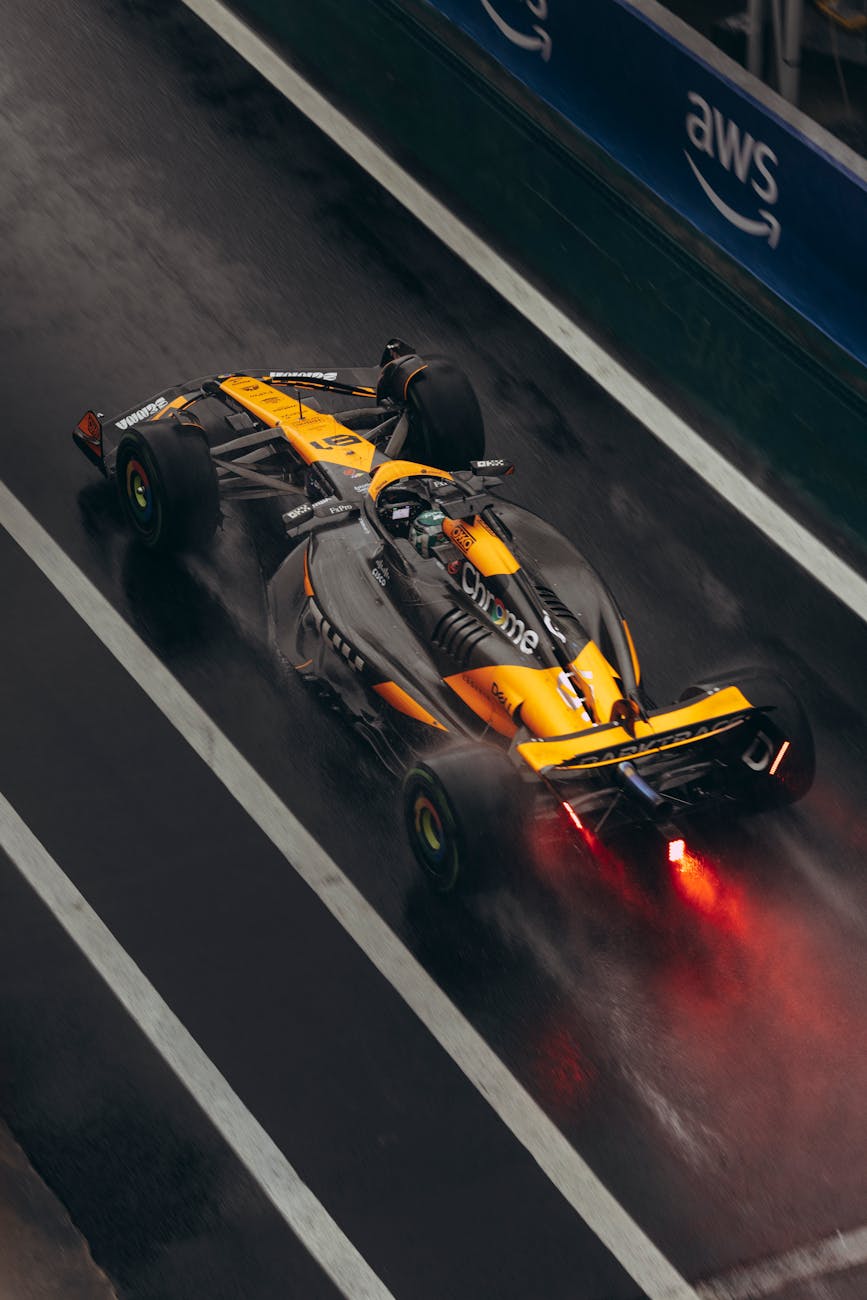
In Formula 1, the wings and diffusers are designed to flip the concept of lift upside down — they push the car toward the track instead of into the air.
More downforce = better cornering and control.
But too much downforce = more drag and lower top speed.
So, engineers must find the perfect balance between speed and stability.
Real-World Examples
- Tesla Model S: Has one of the lowest drag coefficients among production cars (≈0.208). Its sleek shape helps extend range by reducing aerodynamic resistance.
- Bugatti Chiron: Uses an adaptive rear wing that changes angle depending on speed — lowering drag on straight roads and increasing downforce during braking.
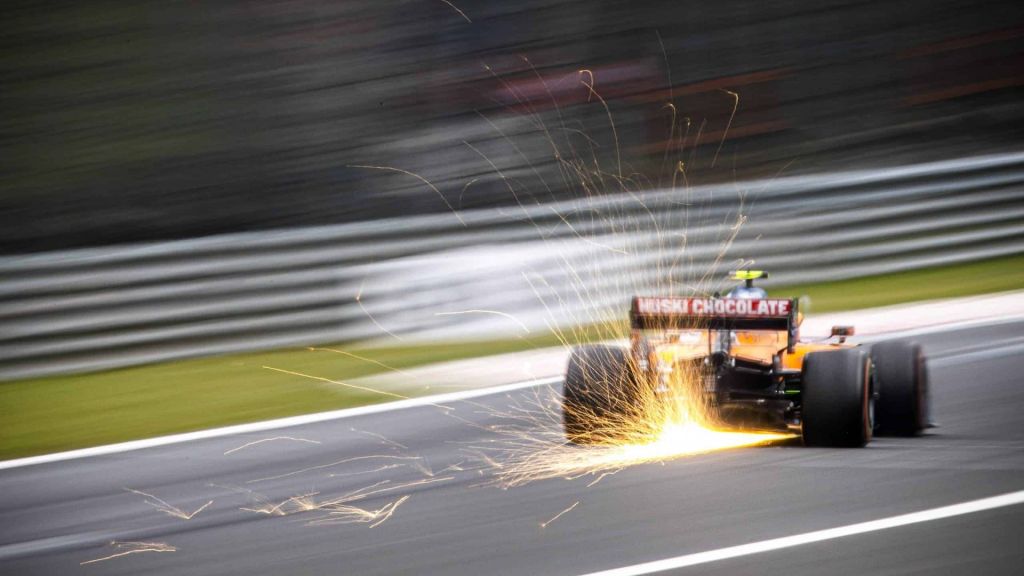
- Formula 1 Cars: Use complex aerodynamics — wings, diffusers, and bargeboards — to create downforce, helping them corner at incredible speeds.
Why It Matters for the Future
As the world moves toward electric vehicles (EVs), aerodynamics has become even more critical.
EVs don’t just need power — they need efficiency. Less drag means longer range and smaller batteries, which make cars lighter and greener.
In fact, improving a car’s aerodynamics by just 10% can increase its range by 5–8% — a big deal for sustainable transport.
Conclusion
Aerodynamics is more than just car design — it’s physics in motion.
It determines how cars cut through air, how stable they feel at speed, and how efficiently they use energy.
From sleek EVs to high-speed racers, every curve, vent, and wing is there for a reason: to master the invisible force of air.
The next time you see a sports car glide past, remember — it’s not just power that makes it fast.
It’s the air working with it, not against it.




 GearUp Engineering
Leave a comment