Engineering isn’t just about blueprints, machines, and math — it’s about solving problems in the most creative ways possible.
From ancient wonders to modern marvels, the world around us runs on engineering — often in ways we don’t even notice.
Here are 10 fascinating engineering facts that’ll make you see the world a little differently.
1. The Great Pyramids Were an Engineering Miracle
Built over 4,000 years ago, the Great Pyramid of Giza was the tallest man-made structure on Earth for nearly 3,800 years — standing at 146 meters tall.
What’s more amazing? The base is so perfectly level that it’s accurate within just 2 centimeters across 230 meters.
And it was built without cranes, motors, or steel — just clever design, manpower, and mathematics.
2. Bridges “Breathe” with the Weather
Most bridges expand in the heat and contract in the cold — it’s part of their design!
Engineers include expansion joints so the bridge can safely stretch and shrink without cracking.
The Golden Gate Bridge, for example, can grow almost 2 meters longer in summer due to thermal expansion.
3. Light Bulbs Last Longer in Space
Astronauts use special LED bulbs designed to work in zero gravity.
Traditional bulbs rely on gravity to move heat away from the filament, but in space, heat can’t rise — so engineers designed a new way to cool them.
Even simple things need complex engineering when you leave Earth!
4. Japan’s Bullet Trains Were Inspired by a Bird
The Shinkansen bullet train once created loud booms when exiting tunnels — until engineers redesigned its nose after studying the kingfisher’s beak, which enters water silently.
This bio-inspired change made the train quieter, faster, and more energy efficient — and it’s one of the best examples of nature-inspired design.
5. Airplane Wings Can Flex Like Bird Feathers
Next time you’re on a plane, look out the window — the wings actually bend several feet up and down during flight!
This flexibility helps absorb turbulence and reduce stress on the aircraft.
It’s not a flaw — it’s precision engineering.
6. The World’s Largest Machine Is Underground
The Large Hadron Collider (LHC) near Geneva, Switzerland, is the biggest and most powerful machine ever built.
It’s a 27-kilometer circular tunnel buried underground, where scientists smash particles together at nearly the speed of light to study the universe’s smallest building blocks.
7. Cars Are Tested in Wind Tunnels Like Airplanes
Modern car designs spend hundreds of hours in wind tunnels to reduce drag and improve fuel efficiency.
Aerodynamics isn’t just for jets — even the smallest details, like mirrors and headlights, can change how efficiently a car moves through the air.
8. The Earth’s Crust Is Constantly Moving — and Engineers Account for It
Skyscrapers, bridges, and pipelines are designed to handle ground movement caused by earthquakes or even shifting tectonic plates.
The Taipei 101 skyscraper in Taiwan, for instance, has a 660-ton steel damper inside that swings like a pendulum to counteract strong winds and tremors.
9. Sound Can Break Concrete
At high enough decibels, vibrations from sound waves can actually shatter solid materials.
That’s why engineers carefully design speaker systems, rocket launches, and even concert venues to control vibrations — otherwise, the sound could damage the structures themselves!
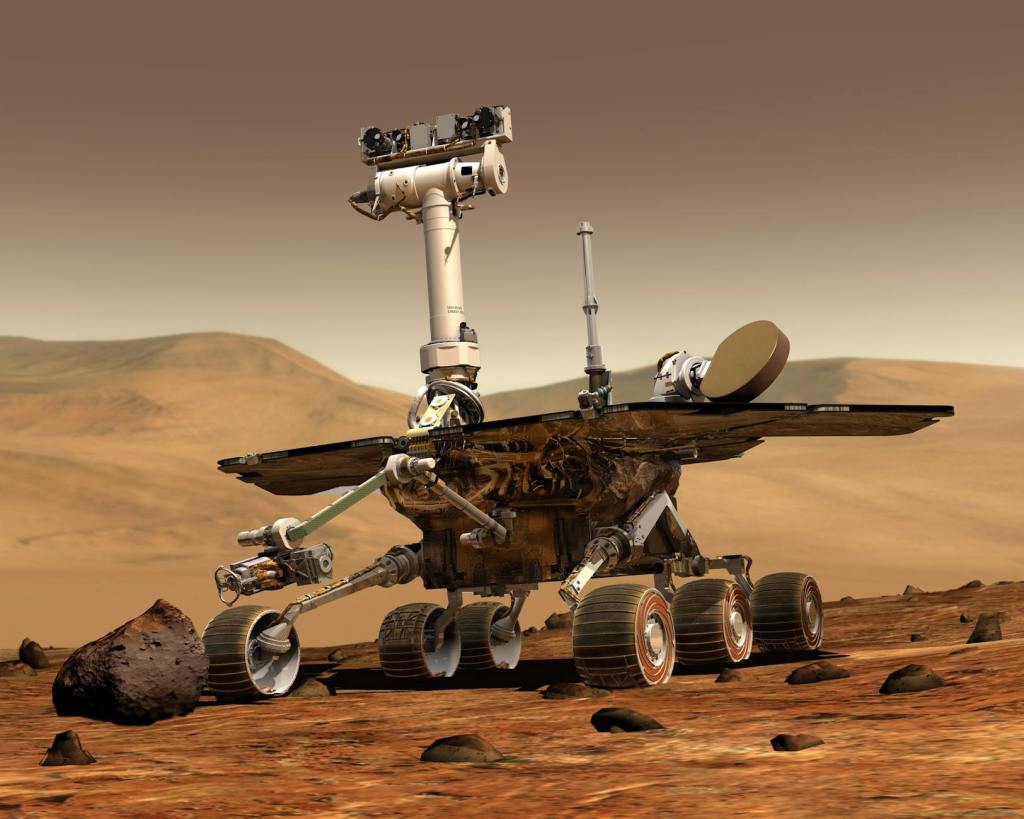
10. NASA’s Mars Rovers Are Mechanical Marvels
The Perseverance Rover on Mars drives, drills, takes photos, and even collects rock samples — all autonomously.
It’s like a self-driving car, except it’s 225 million kilometers away, and commands take over 10 minutes to reach it.
Every move it makes has to be pre-engineered for reliability in extreme conditions.
Conclusion
From ancient stone pyramids to machines exploring other planets, engineering is the art of turning ideas into reality.
Every bridge you cross, plane you board, or phone you hold is a result of countless hours of design, testing, and creativity.
Engineering isn’t just about building things — it’s about building the future.





 GearUp Engineering
Leave a comment