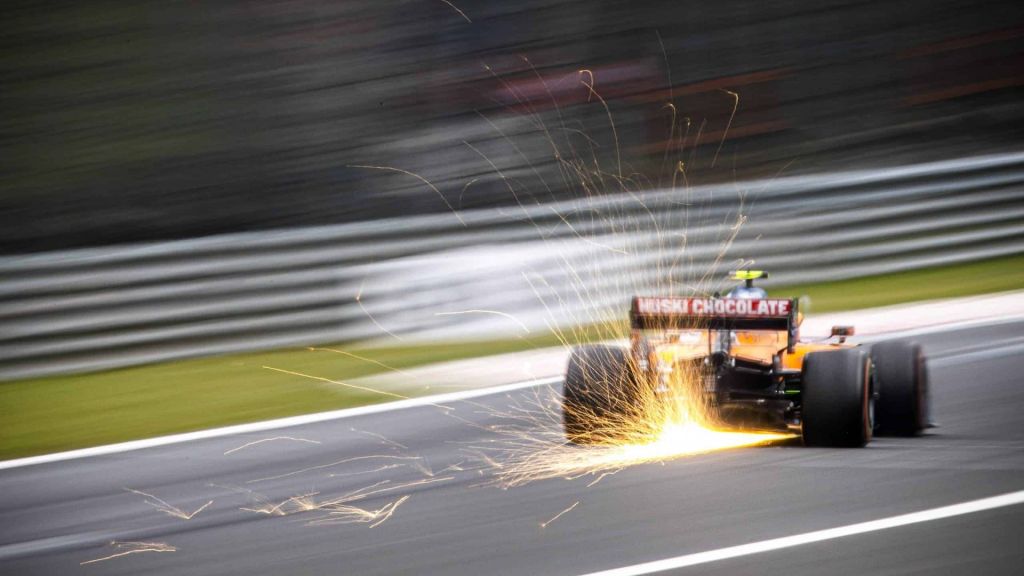
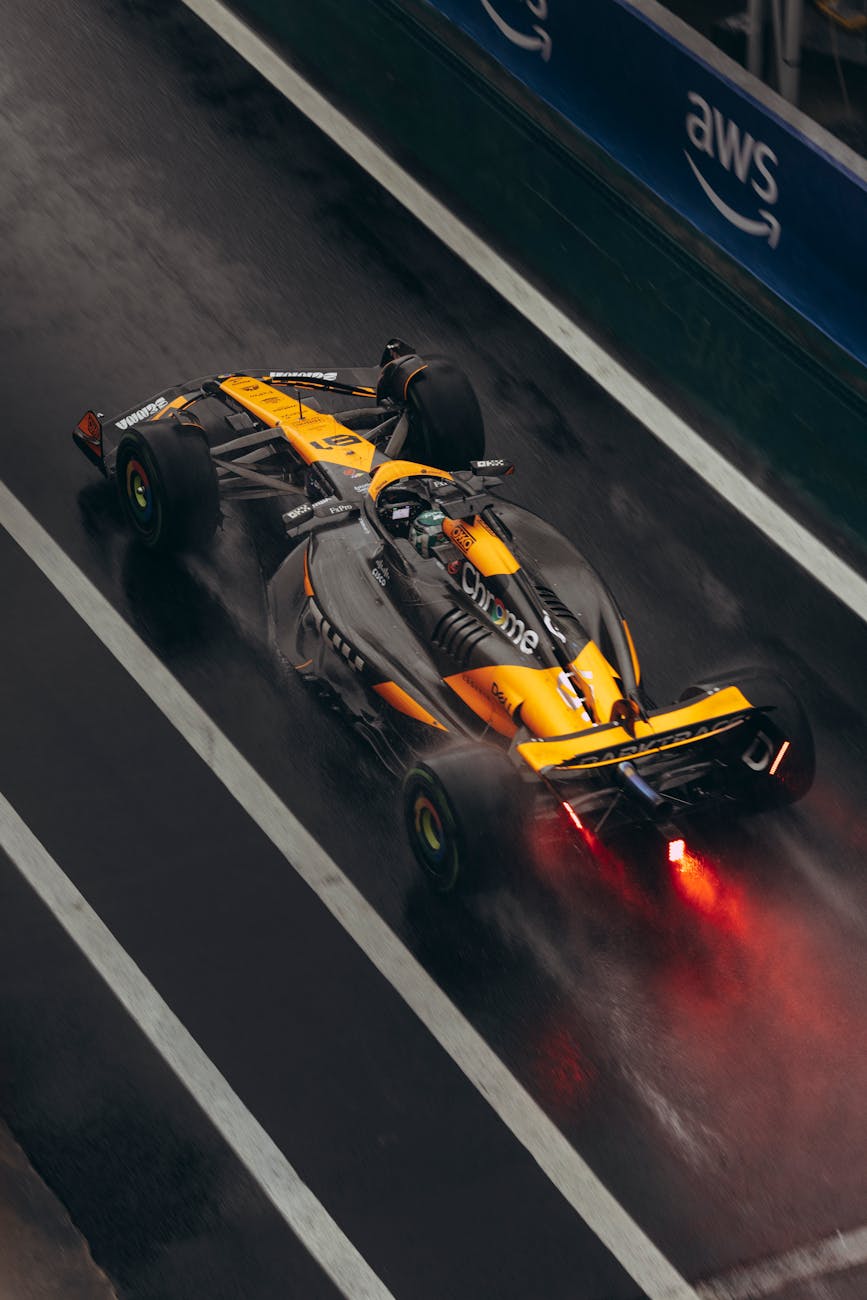
If you’ve ever seen a Formula 1 car up close (or even on TV), one thing is immediately obvious — it sits incredibly close to the ground. In fact, it almost looks like the car is glued to the track.
This isn’t just for looks. The low ride height of an F1 car is the result of careful engineering, and it plays a huge role in how fast and stable the car is.
Lower Center of Gravity = Better Stability
One of the biggest reasons F1 cars sit so low is to keep the center of gravity as low as possible.
The center of gravity is the point where the car’s weight is balanced. When it’s lower:
- The car is less likely to roll during cornering
- Weight transfer is reduced
- The car feels more stable at high speeds
During sharp turns, a high center of gravity would cause the car to lean or even lose grip. A low-slung F1 car stays flat and planted, allowing drivers to take corners incredibly fast.
Ground Effect: Using Air to Stick to the Track
This is where things get really interesting.
Modern F1 cars use something called ground effect aerodynamics. The idea is simple but powerful:
when air flows through the narrow gap between the car and the ground, it speeds up. Faster airflow means lower pressure underneath the car.
Lower pressure below the car = downforce.
This downforce pulls the car toward the track without adding extra weight. The closer the car is to the ground, the stronger this effect becomes.
That’s why ride height in F1 is measured in millimeters — even a small change can affect performance.
The Role of the Diffuser
At the back of the car is a component called the diffuser. Its job is to smoothly slow down and expand the fast-moving air from underneath the car.
A low ride height:
- Increases airflow speed under the car
- Makes the diffuser more effective
- Generates more downforce with less drag
This allows the car to stay stable through corners while still being fast on straights.
Better Grip Without Extra Drag
One big advantage of downforce created by ground effect is that it doesn’t increase air resistance as much as large wings do.
More grip usually means more drag, but ground effect gives engineers a smarter solution:
- High grip in corners
- Minimal speed loss on straights
This balance is crucial in Formula 1, where lap times are decided by fractions of a second.
Why Normal Cars Can’t Be This Low
You might wonder: if low ride height is so good, why aren’t normal cars built like F1 cars?
The answer is practicality:
- Roads aren’t smooth like racetracks
- Speed bumps and potholes would destroy the car
- Suspension travel is needed for comfort and safety
F1 cars run on perfectly smooth circuits, allowing engineers to push ride height to extreme limits.
Formula 1 cars sit so low to the ground because it helps them:
- Stay stable
- Generate massive downforce
- Corner faster
- And extract maximum performance from aerodynamics
What looks like a simple design choice is actually a perfect example of how engineers use physics to their advantage. For me, that’s what makes Formula 1 engineering so fascinating — every detail, even how close the car is to the ground, is optimized for speed.



 GearUp Engineering
Leave a comment