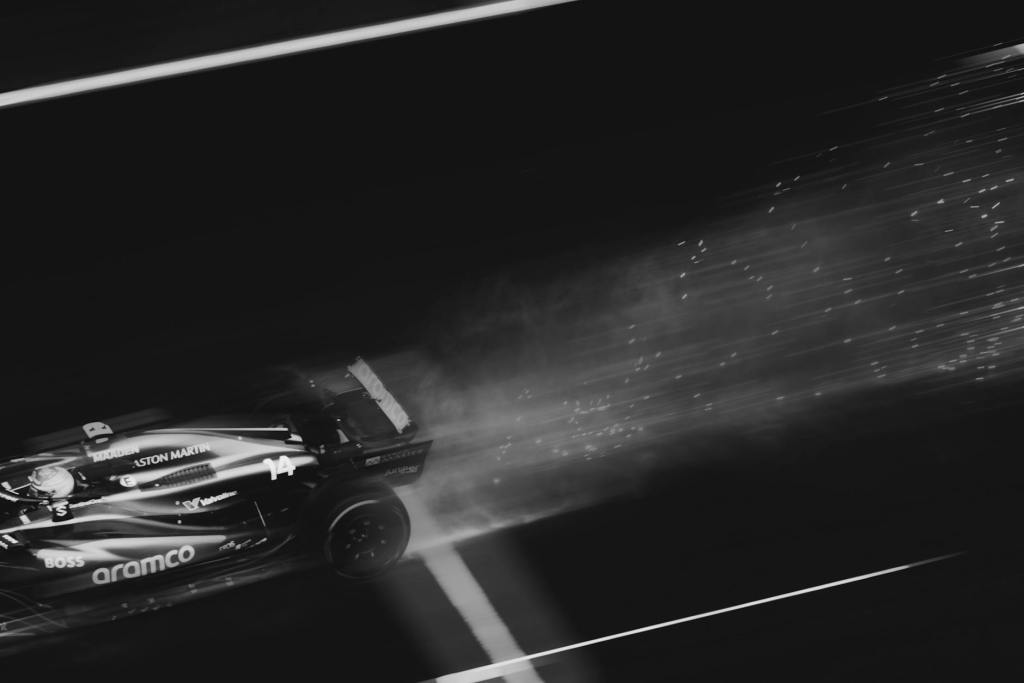
Overtaking in Formula 1 is not as easy as it looks. When two cars are racing at speeds over 300 km/h, the air around them becomes a huge factor. The car behind often struggles to catch the car in front because of something called aerodynamic drag.
To make racing more exciting and allow more overtakes, Formula 1 introduced a technology called DRS, which stands for Drag Reduction System.
The Problem: Dirty Air
When an F1 car moves at very high speeds, it disturbs the air behind it. This turbulent airflow is often called dirty air.
For the car following behind, this creates two main problems:
- Less aerodynamic efficiency
- Reduced downforce
With less downforce, the chasing car struggles to stay close in corners and has difficulty overtaking on the straights.
What Exactly Is DRS?
The Drag Reduction System (DRS) is a movable flap on the rear wing of the car.
Normally, the rear wing produces a lot of downforce, which helps the car grip the track. However, that same wing also creates drag, which slows the car down on straights.
When DRS is activated:
- A flap on the rear wing opens
- The airflow becomes smoother
- Drag decreases
- The car gains extra speed
This can give a driver around 10–15 km/h more speed, which can make a big difference when trying to overtake.
When Can Drivers Use DRS?
DRS is not available all the time. To keep things fair, the system can only be used in specific situations.
A driver can activate DRS when:
- They are within 1 second of the car in front
- They are in a designated DRS zone on the track
These zones are usually placed on long straights, where overtaking is most likely to happen.
Why DRS Makes Overtaking Easier
When the chasing car opens its rear wing:
- Drag decreases
- Top speed increases
- The driver can close the gap quickly
Combined with slipstreaming (using the airflow behind another car), DRS allows drivers to build enough speed to attempt an overtake before the next corner.
Without DRS, many races would have far fewer overtakes because modern F1 cars create so much aerodynamic turbulence.
The Trade-Off
While DRS reduces drag, it also reduces downforce. This means the car has less grip.
That’s why drivers usually activate DRS only on straight sections of the track, where stability is less of an issue.
The system automatically closes the rear wing when the driver brakes, ensuring the car regains downforce before entering the next corner.
Engineering Meets Racing
DRS is a great example of how engineering solutions can improve the sport. Instead of redesigning the entire car, engineers created a simple movable wing system that changes how air flows over the car.
This small adjustment in aerodynamics can completely change the outcome of a race.
Formula 1 is often described as the perfect combination of engineering and driving skill. The Drag Reduction System shows how even a small aerodynamic change can influence speed, strategy, and overtaking.
For me, it’s fascinating how something as invisible as airflow can decide who wins or loses a race.



 GearUp Engineering
Leave a comment